
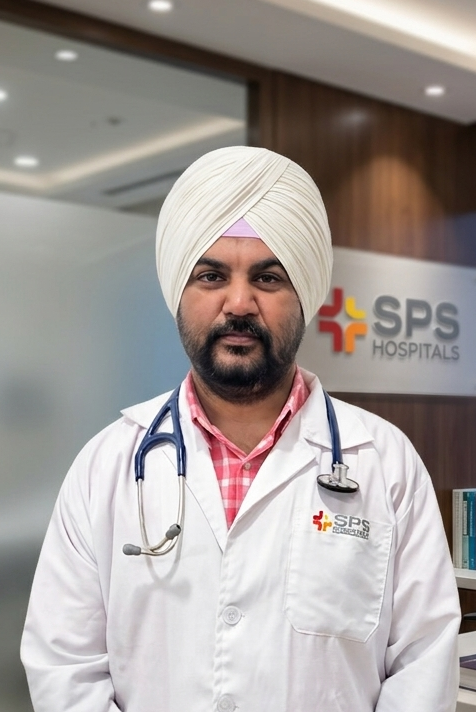
Dr. Gurwinder Singh Virk, Senior Consultant

Health Checkup

V CARE HEALTH CLINIC ยท LUDHIANA PREVENTIVE HEALTHCARE

Complete Health Check-Up in Ludhiana with Metropolis

Blood and urine tests by Metropolis, an ECG and a personal consultation with Dr. Gurwinder Singh Virk, MD (Internal Medicine).

Special Package Price โ‚น1,499
Regular value โ‚น5,105
Book Your Check-Up โ†—
โœ“ Metropolis Lab Tests โœ“ ECG Included โœ“ Doctor Consultation
Complete health check-up in Ludhiana with Metropolis lab tests and Dr. Gurwinder Singh Virk
โœš
Know Your Health Better Comprehensive preventive health screening

Prevention Begins with Knowing Your Health

Diabetes, high cholesterol, thyroid problems and fatty liver rarely cause symptoms in the early years. By the time they do, they have usually been building for a while. A yearly check-up finds them while a change in diet and routine, or simple treatment, is often enough.

The check-up is done at V Care Health Clinic on Lodhi Club Road. Your samples are processed by Metropolis Healthcare, one of India's established diagnostic lab networks, and your results are reviewed in person by Dr. Virk.

One Check-Up. Essential Health Insights.

A comprehensive collection of blood, urine and heart screening tests, along with a doctor's consultation.

01 CBC & ESR Blood count and inflammation
02 Blood Sugar Fasting glucose screening
03 Liver Function Liver health markers
04 Kidney Function Kidney and electrolyte markers
05 Lipid Profile Cholesterol assessment
06 Thyroid Test TSH, T3 and T4
07 Urine Routine Urine health screening
08 ECG Heart rhythm assessment

What Your Health Check-Up Includes

Understand what each test checks and why it matters.

๐Ÿฉธ

CBC (Complete Blood Count) and ESR

Checks: haemoglobin, red blood cells, white blood cells, platelets, red cell indices and ESR.

CBC is the most basic picture of your blood. Low haemoglobin points to anaemia, one of the most common reasons for tiredness, breathlessness and hair fall, especially in women. A raised white cell count can suggest an infection, and a low platelet count needs follow-up. ESR is a general marker of inflammation. It does not name a disease by itself, but a high value tells the doctor to look further.
๐Ÿงช

Fasting Blood Sugar

Checks: blood glucose after an overnight fast.

This is the first screening test for diabetes. A value under 100 mg/dL is normal. Between 100 and 125 mg/dL suggests prediabetes, a stage where diet and activity changes can often stop diabetes from developing. A value of 126 mg/dL or above, confirmed on a repeat test, suggests diabetes. Many people in their 30s and 40s find out they are in the prediabetes range only through a test like this.

๐Ÿซ€

Liver Function Test (LFT)

Checks: bilirubin, SGOT (AST), SGPT (ALT), alkaline phosphatase, total protein, albumin and globulin.

These markers show whether liver cells are under stress and how well the liver is making proteins and clearing bilirubin. Raised SGPT and SGOT are commonly linked to fatty liver, which is often seen in people with desk jobs, extra weight around the waist or high triglycerides. They can also rise with alcohol, viral hepatitis or some medicines. A raised bilirubin can point to jaundice or a problem with bile flow.

๐Ÿซ˜

Kidney Function Test (KFT)

Checks: urea, creatinine, uric acid and electrolytes such as sodium, potassium and chloride.

Creatinine and urea show how well your kidneys are filtering waste. Kidney damage usually causes no symptoms until it is advanced, which is why this test matters most for people with diabetes or high blood pressure, and for those who take painkillers often. Uric acid is linked to gout and joint pain, and electrolytes show whether the body's salt and water balance is right.

โค๏ธ

Lipid Profile

Checks: total cholesterol, LDL, HDL, triglycerides and VLDL, with cholesterol ratios.

LDL is the cholesterol that builds up in artery walls, while HDL helps remove it. High LDL, low HDL or high triglycerides raise the risk of heart attack and stroke over time, often in people who feel completely well. Your result is read along with your age, sugar, blood pressure and family history to judge your overall heart risk.

๐Ÿฆ‹

Thyroid Test

Checks: TSH, T3 and T4.

An underactive thyroid can cause tiredness, weight gain, feeling cold, constipation, dry skin, hair fall and irregular periods. An overactive thyroid can cause weight loss, a fast heartbeat, anxiety and feeling hot. Both are common, especially in women, and both are easy to miss because the symptoms get blamed on stress or age. Both are treatable once found.

๐Ÿ”ฌ

Urine Routine

Checks: colour and appearance, pH, specific gravity, protein, sugar, ketones, and a microscopic look for pus cells, red cells, crystals and casts.

This simple test can pick up a urinary infection, sugar or protein leaking into the urine, early signs of kidney trouble, or crystals linked to stones. Protein in the urine is one of the earliest signs of kidney damage in people with diabetes or high blood pressure.

๐Ÿ“ˆ

ECG (Electrocardiogram)

Checks: heart rate, rhythm and the heart's electrical activity.

An ECG takes a few minutes and is painless. Small stickers are placed on your chest, arms and legs while you lie still. It can show an irregular heartbeat, signs of strain on the heart, or changes from a past heart problem. A normal resting ECG does not rule out every heart condition, so if your symptoms or risk factors call for it, Dr. Virk will tell you whether you need further heart tests.

Dr. Gurwinder Singh Virk, Internal Medicine specialist

Your Consultation with Dr. Virk

Getting tests done is the easy part. Knowing what the numbers mean for you is where most people get stuck. Your check-up includes a consultation with Dr. Gurwinder Singh Virk, MBBS, MD (Internal Medicine), once your Metropolis reports are ready.

During the consultation, Dr. Virk will:

  • Go through every report with you, line by line.
  • Compare it with your old reports, if you bring them, since a trend often says more than a single value.
  • Ask about your symptoms, family history, medicines, diet, sleep and activity.
  • Check your blood pressure.
  • Tell you which results are normal, which are borderline and which need action.
  • Explain what to change for borderline results and when to retest.
  • Plan further tests or treatment if needed, for example for diabetes, thyroid or high blood pressure, and review any medicines you already take.

You leave knowing where you stand and what to do next.

Read more about Dr. Virk โ†’

Who Should Get a Health Check-Up?

Adults over 30.
Anyone with a family history of diabetes, heart disease, high blood pressure or thyroid problems.
People with desk jobs, long hours, little exercise or irregular meals.
Smokers and people who drink alcohol regularly.
Anyone feeling tired all the time, or gaining or losing weight without a clear reason.
People already on medicine for sugar, blood pressure or thyroid, who need a yearly check of their liver, kidneys and cholesterol.
Parents and older family members who have not been tested in a while.
Preparing for a health check-up and blood test

How to Prepare for Your Health Check-Up

  • Fast overnight for 10 to 12 hours. Plain water is fine, but no tea, coffee, milk, juice or chewing gum.
  • Have a light dinner and avoid alcohol the night before.
  • If you take medicine or insulin for diabetes, ask the clinic how to take it on the test morning.
  • For other regular medicines, ask whether to take them before or after the sample, and bring your prescriptions.
  • Bring your old reports, if any.
  • Wear a loose top so the ECG can be done easily.
  • Women on their period should mention it, as it can affect the urine test.

How Your Health Check-Up Works

01

Book Your Slot

Book a morning slot on call or WhatsApp.

02

Visit the Clinic

Blood and urine samples are collected and the ECG is done in the same visit.

03

Get Your Reports

Metropolis processes your samples and your reports are shared with you. The clinic will tell you when to expect them.

04

Meet Dr. Virk

Meet Dr. Virk to go through your results.

Your Health Check-Up in Ludhiana

V Care Health Clinic

Near McDonald's, Lodhi Club Road, Ludhiana, Punjab.

Close to Sarabha Nagar, Model Town, Civil Lines, BRS Nagar, Pakhowal Road and Ferozepur Road.

Call or WhatsApp +91 85756 00003
Book on WhatsApp โ†—

Frequently Asked Questions

How often should I get a health check-up?

Once a year for most adults over 30. If you have diabetes, high blood pressure or a thyroid problem, Dr. Virk may advise testing more often.

Is this a full body check-up?

It covers blood counts, sugar, liver, kidneys, cholesterol, thyroid, urine and heart rhythm, which are the checks most adults need each year. Tests such as HbA1c, vitamin D and vitamin B12 are not part of this package. Dr. Virk will tell you if you need them.

Can I book for my parents or family?

Yes. Share each person's name and age when you book on call or WhatsApp.

Will I get my own copy of the reports?

Yes. You receive your Metropolis reports and can keep them to compare with future check-ups.

TAKE THE FIRST STEP TOWARDS PREVENTIVE CARE

Make Your Health a Priority

Book your complete health check-up at V Care Health Clinic, Ludhiana, with Metropolis tests and a consultation with Dr. Virk.

โ‚น1,499
Book Your Check-Up on WhatsApp โ†— This page is for general information and does not replace a medical consultation.
Scroll to Top